
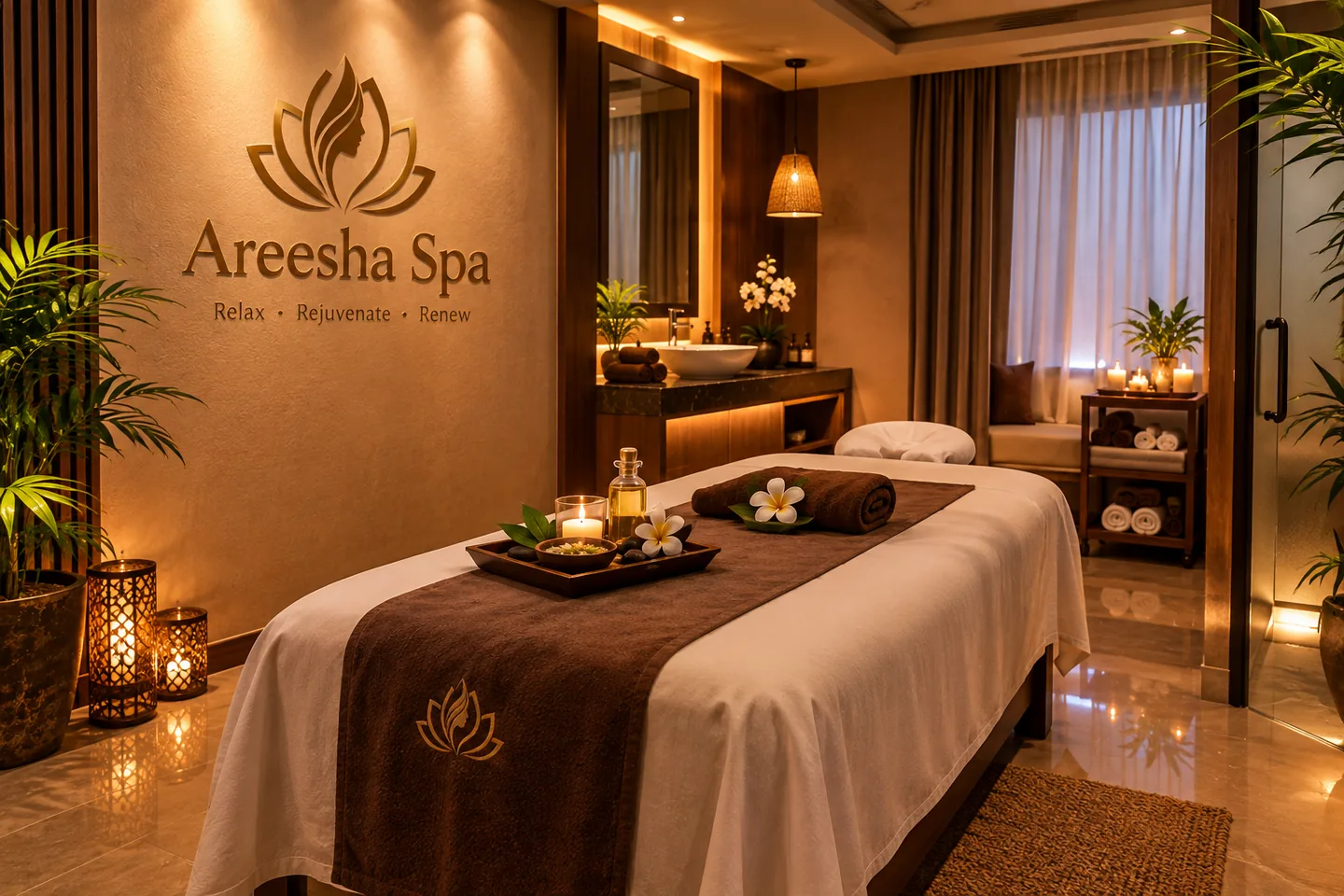
A home spa ritual does not need a bathtub, a shelf of products or a perfectly quiet house. It can be a short, repeatable pause built from ordinary things: a clean towel, comfortable clothes, warm water if you want it, and a few minutes without rushing. The point is not to copy a hotel or promise a health result. It is to make a small pocket of time that feels considered and comfortable for you. In a busy Dhaka day, that might mean a gentle evening reset after work, or a slower start on a free morning. Begin with what you already have, keep the plan flexible, and leave out anything that irritates your skin, senses or schedule.
Choose the feeling and the time, not a perfect routine
Before gathering anything, decide what you would like this pause to feel like. Perhaps you want a quieter end to the day, a few minutes to notice your breathing, or simply a chance to wash and change without checking messages. Naming a modest intention helps keep the ritual personal. It also prevents a common trap: turning self-care into another demanding checklist that must be completed exactly right.
Set a length that fits your day. Ten or fifteen minutes can be enough for a face wash, a few slow breaths and a clean change of clothes. If you have half an hour, add a warm foot soak or a gentle stretch. A longer ritual is not automatically more restorative, and there is no required schedule. If your evening is already full, choose one step and let that count. On another day, you can add more. Consistency can mean returning to a manageable pause, not repeating an elaborate sequence every night.
If you are preparing for sleep, keep the ritual distinct from a promise that it will cure sleeplessness. A regular sleep and wake time, a quiet and relaxing bedroom, and putting electronic devices away before bedtime are among the habits recommended by the CDC [1]. A calming routine can support a transition into the evening, but it cannot guarantee sleep or replace care for a continuing sleep problem.
Prepare one comfortable corner
Choose a space where you can sit or stand safely and where you can pause without blocking someone else's path. It might be a bathroom, a bedroom corner or a chair near a window. Put away clutter that would distract you, set out a dry towel and keep a glass of water nearby if you like. You do not need to decorate the room. A neat surface and a light you can comfortably tolerate are more useful than buying props.
Think about sound and privacy in practical terms. Tell household members you are taking a few minutes if that is helpful, or select a time when interruptions are less likely. If noise cannot be avoided, use quiet music at a low volume or simply accept the sounds around you. Silence is not a requirement. Keep a phone within reach if you need it for safety, but consider switching off non-urgent notifications so you are not pulled into a stream of tasks.
In warm or humid weather, comfort may depend more on airflow and dry towels than on adding heat. A fan, breathable clothing and a cool drink can make the space feel easier to use. Avoid candles if children, pets, fabric or a narrow surface make a flame unsafe. If you use a candle, place it on a stable surface away from anything that can burn and extinguish it before leaving the room. An unscented setup is a complete option, especially when you share your home or do not know how your body responds to fragrance.
Start with a small transition
Give yourself a minute to arrive rather than moving straight from work or household tasks into a skincare step. Sit with both feet supported, loosen your shoulders and notice the room. You can take a few comfortable breaths, letting the exhale be unforced. There is no need to breathe deeply if that feels uncomfortable. If focusing on breath makes you uneasy, look at a familiar object, listen to ordinary sounds or skip this step altogether.
Slow breathing and progressive muscle relaxation are examples of practices described by the National Center for Complementary and Integrative Health, or NCCIH, as relaxation techniques [2]. This is background, not a prescription to treat anxiety or another condition. In your own routine, keep the practice plain: breathe at a natural pace, or briefly tighten and release a muscle group only if doing so is comfortable. Do not hold your breath, strain, or try to force a particular sensation.
A simple transition can also be practical. Put on comfortable clothing, wash your hands, and decide which one or two steps you will do. If you are tired, reduce the plan rather than pushing through it. A ritual works best when it respects how you feel that day. You can stop at any point, and skipping a step does not mean you have failed at self-care.
Use warm water gently
Warm water is an optional centrepiece, not a requirement. If you have a bathtub, a short warm bath may suit your routine. If not, a warm shower, washing your face or soaking your feet in a basin can provide a similar pause in the day. Keep the water at a comfortable temperature rather than making it very hot. Test it before you step in, and take care on wet floors. A non-slip mat or a towel placed safely outside the wet area can help reduce slipping risk.
A warm bath is one possible part of a relaxing pre-sleep routine, according to guidance from CDC's National Institute for Occupational Safety and Health [3]. That source describes it as a way to promote relaxation and support body temperature changes around sleep, not as a treatment or guarantee. If bathing close to bedtime does not suit your own schedule or comfort, choose a different step. A face wash, gentle music or a few minutes of reading can be enough.
After washing, pat rather than scrub your skin dry. Use a familiar moisturiser only if it normally suits you, and check product directions. You do not need a special mask, scrub, essential oil or imported product to make the moment meaningful. Trying several new products at once makes it harder to tell what caused irritation. If a product stings, burns, causes a rash or feels wrong, rinse it off and stop using it.
Add gentle movement or stillness
Once you are comfortable, choose either light movement or stillness. For movement, keep it easy: roll your shoulders slowly, stretch your hands, or lengthen your back while seated. Stay within a range that feels natural. This is not a workout and you do not need to reach a target. If you have an injury, pain, balance concern or movement restriction, leave out any motion that could aggravate it and follow advice from a qualified health professional who knows your situation.
For stillness, sit or lie in a position where you can relax without strain. You might listen to one song, read a few pages, or simply notice how your feet feel on the floor. Harvard Health describes reading in soft light, easy stretching, breathing and a warm bath as possible parts of a relaxing bedtime routine [4]. Treat such ideas as a menu rather than a rulebook. The most useful choice is one that feels pleasant and can fit into your real evening.
A ritual can be sensory without being complicated. Choose a clean towel that feels comfortable, adjust the room light, or enjoy a familiar cup of non-caffeinated drink if that suits your usual routine. There is no need to combine every sensory cue. If perfume, music, warmth or dim lighting is unpleasant, leave it out. Your preferences are a better guide than an image of what a spa is supposed to look like.
Keep touch optional and pressure gentle
Some people like a few minutes of self-massage on the hands or feet; others prefer no touch at all. If you choose to try it, use clean hands and a light, comfortable pressure. You can apply moisturiser you already know suits your skin, then make small, unhurried movements over an area that is easy to reach. Avoid pressing hard, working over a painful or injured area, or continuing just because you planned to finish. Stop if you feel discomfort, tingling, numbness or irritation.
Massage is not one uniform technique, and evidence for health uses differs by condition. NCCIH notes that massage studies have varied results and that rare serious adverse effects have been reported, including in some cases involving vigorous massage or people at increased risk [5]. That is a reason to keep a home routine gentle and to avoid treating self-massage as a way to diagnose or manage a medical problem. If you have a health concern or are unsure whether massage is appropriate for you, ask a healthcare provider rather than relying on a general article.
If another person is helping with a hand or shoulder massage, agree on boundaries first. Ask before touching, explain what areas are off limits, and check in about pressure. Either person can pause or stop without giving a reason. Do not assume that family members or partners want the same kind of touch. Respecting consent and comfort is more important than completing a planned sequence.
Adapt the ritual to a Dhaka household
A home routine should work with the home you have. In an apartment shared with family or roommates, privacy may be limited and the bathroom may be in use. Plan a short version that can be paused, or pick one step you can do in your room. If a child, older family member or pet needs attention, respond to that need and return later only if it still suits you. The ritual does not have to be uninterrupted to be worthwhile.
Dhaka weather can change how a space feels, so make seasonal adjustments based on your own comfort. On a humid evening, a warm soak may feel less appealing than washing your face, changing into light clothing and sitting near airflow. On a cooler day, a warm shower or clean socks may feel more inviting. These are options, not rules about what residents should prefer. Pay attention to the room and your body's response instead of trying to follow a fixed spa script.
Keep the budget and supply list modest. A fresh towel, a basin, plain water and your usual soap may be all you need. Reuse clean household items and store them dry. Avoid mixing cleaning products or applying substances to your skin because a social media post calls them natural. Natural ingredients can still irritate skin, and a homemade mixture is not automatically safe. If you are unsure about a substance, omit it rather than experiment during a relaxing routine.
Close gently and make the next step easy
Finish by clearing the space, drying the floor and putting products away. Take a moment to notice whether the routine felt comfortable, too long, too warm or simply not your style. You could make a one-line note for next time, such as 'skip fragrance' or 'ten minutes is enough'. This is not a performance review. It is a way to make the next attempt easier and more personal.
If you are winding down before bed, move from the ritual into ordinary evening habits rather than adding more stimulating tasks. Keep your chosen bedtime realistic and protect enough time for sleep. CDC guidance recommends a quiet, relaxing bedroom and turning off electronic devices at least 30 minutes before bedtime [1]. You can keep an alarm or essential contact available as needed. The goal is to reduce avoidable distractions, not to create anxiety about using a device perfectly.
Notice the difference between a pleasant pause and a health concern. A home spa ritual is for comfort and personal enjoyment. It cannot promise to relieve pain, cure a skin condition, treat persistent stress or replace medical care. NCCIH advises not to use massage therapy to postpone seeking a health provider for a medical problem, and recommends discussing suitability when unsure [5]. If symptoms are severe, persistent or worrying, seek appropriate professional advice instead of extending the ritual.
When you want a professional spa experience
An at-home ritual and a professional spa visit are different experiences. At home, you control the timing and use familiar household choices. A service appointment involves a specific treatment format and details that should be confirmed with the provider. If you are considering Areesha Thai Spa, review the listed services and prices rather than assuming an at-home routine is identical to a treatment. Ask the team about current details, what a session includes and any personal comfort preferences before making plans.
The only physical studio listed for Areesha Thai Spa is at 78 Gulshan Avenue, Dhaka 1212, Bangladesh. Its locations page provides the address, and the contact page gives ways to ask questions. Confirm any details you need directly with the spa before visiting. For a separate guide to what to ask when considering Thai-inspired bodywork, see What to Know Before Choosing a Thai Massage. This link is for information; it is not a medical recommendation or a promise about a treatment outcome.
Whether you stay at home or choose a service, useful questions are straightforward: What does this option include? What should I bring or prepare? Can I ask for a lighter touch, a pause or a change? How should I share a sensitivity or area I would like avoided? Asking in advance helps you make an informed choice. You are free to choose a quiet evening at home, explore a service later, or decide that neither suits you today.
Questions and answers
How long should a home spa ritual take?
There is no required duration. Start with ten to fifteen minutes if that is all your day allows, or set aside longer only when it feels comfortable. Choose one or two steps, such as washing your face and sitting quietly, rather than trying to fill a set amount of time. A short routine you can repeat is more realistic than an elaborate plan that adds pressure. If you are preparing for sleep, leave enough time for your usual bedtime and do not treat the ritual as a guaranteed way to fall asleep.
Do I need special spa products or essential oils?
No. Familiar household basics such as water, a clean towel and a comfortable place to sit are enough. Fragrance is optional, and leaving it out is sensible if you dislike strong scents, share your home with others or have a sensitivity. Do not assume that a natural or homemade product is automatically safe for skin. Use products according to their directions, avoid testing several new products at once, and stop if you notice irritation.
Can a home spa routine help me sleep or treat stress?
A quiet routine may be a pleasant way to mark the transition to evening, but this article does not claim that it treats stress, anxiety, insomnia or another health condition. Sleep habits such as keeping a regular schedule and making the bedroom quiet and relaxing are recommended by the CDC [1]. If sleep difficulties or emotional symptoms continue, are severe or concern you, contact a qualified healthcare professional for guidance rather than relying on a spa ritual.
Is it safe to massage myself or ask someone at home to help?
Gentle self-touch is optional. Use light pressure only on a comfortable area, avoid injured or painful places, and stop if anything feels wrong. If another person helps, agree on consent, boundaries and pressure before beginning, and make it easy for either person to stop. Massage is not appropriate for every person or situation. If you have a medical condition, injury or uncertainty about safety, ask a healthcare provider before trying massage, and do not use it to delay care [5].
What if I do not have a bathtub or a private room?
A bathtub and a private room are not necessary. A warm shower, face wash, foot soak in a basin or a few quiet minutes in a comfortable chair can be your whole routine. Choose a step that fits the shared space and can be paused if needed. If warmth, music or dim lighting does not suit your home, leave it out. The purpose is a manageable pause, not recreating a particular spa setting.
Sources and further reading
- About Sleep: Sleep Habits and Recommendations, Centers for Disease Control and Prevention
- Relaxation Techniques: What You Need To Know, National Center for Complementary and Integrative Health
- Improve Sleep: Tips to Improve Your Sleep When Times Are Tough, CDC National Institute for Occupational Safety and Health
- Sleep hygiene: Simple practices for better rest, Harvard Health Publishing
- Massage Therapy: What You Need To Know, National Center for Complementary and Integrative Health