
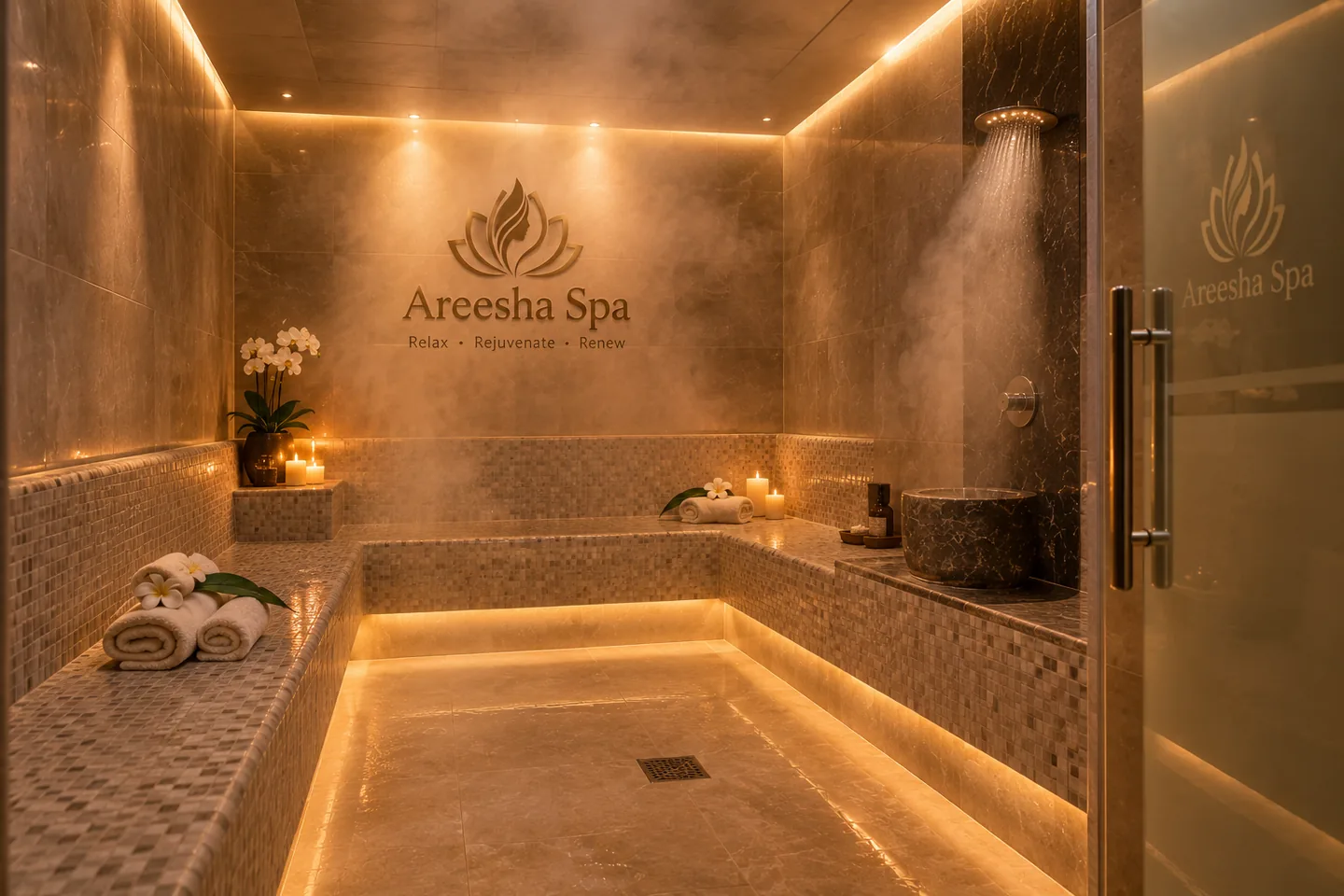
Choosing a massage is easier when you begin with what you want the session to feel like, rather than trying to find a treatment that promises a particular result. Do you prefer quiet, steady touch, firmer focused pressure, guided movement, aromatic notes, or warmth? Are there areas you would rather avoid? These are useful starting points for a conversation with a spa. In Dhaka, a busy day, a long commute or a packed schedule may make a calm hour appealing, but your comfort and practical needs still matter most. This guide helps you compare the experience, clarify price and timing, and ask questions before you decide. It is a choice guide, not healthcare advice.
Begin with the feeling you want from the session
Instead of starting with a long list of unfamiliar names, describe the experience you are hoping for in plain language. You might want a slower pace, a sense of warmth, less fragrance, more movement, or pressure that stays light. You may simply want a quiet break and have no specific body area in mind. A good enquiry can begin with one sentence: “I prefer gentle pressure and a quiet pace,” or “I am curious about movement, but I would like to understand what it involves.” There is no need to know technical massage terms before asking.
Then consider what you do not want. Perhaps you prefer not to have a particular area touched, do not want scented products, or would like to avoid heat. Share those boundaries when you contact the spa and repeat them before the session begins. A treatment name is a starting point, not a substitute for explaining your preferences. The National Center for Complementary and Integrative Health notes that massage includes many techniques and that the type given usually depends on a person's needs and physical condition. [1] For a personal wellness visit, think of the name as a prompt for questions rather than a guarantee of a fixed experience.
Choose a pressure level you can communicate about
Pressure is personal, and it can feel different across the shoulders, back, arms or legs. Some guests like light, flowing contact. Others prefer a firmer, more focused style. At Areesha Thai Spa, Deep Tissue Massage is described as a focused, firmer experience, while Aroma Body Massage is presented with a gentler pace. These descriptions can help you shortlist, but they do not tell you exactly how every moment will feel. Ask how the current session is delivered and whether pressure can be adjusted as you go.
Before you start, agree on simple words you can use during the treatment, such as “lighter,” “less pressure,” “pause,” or “please avoid this area.” Speak up at the first point of discomfort instead of waiting until the end. Firmness should not be treated as a test of endurance, and more pressure is not automatically a better choice. NCCIH advises that a massage therapist should not cause pain in its discussion of massage research, and it notes rare reports of serious effects, including nerve injury, blood clot or fracture, sometimes associated with vigorous massage or increased vulnerability. [1] This is a reason to ask clearly and choose a comfortable level, not to assume that a treatment will prevent or treat a health problem.
Decide whether you prefer stillness or movement
A massage can be mostly still and measured, or it can include more active movement. Areesha Thai Spa describes Thai Massage as a Thai-inspired experience shaped by rhythmic pressure and guided stretches. Its guide suggests asking which elements are part of the current format and explaining whether you prefer more stillness or movement. If stretching sounds interesting but you are unsure, say so before choosing. Ask what the therapist may invite you to do, how much movement is involved, and whether you can decline a movement or request a pause.
If you want to relax without being asked to move much, make that preference clear rather than assuming every massage is passive. If you have restricted movement, are unsure whether a stretch suits you, or have a health concern that could affect movement, talk to a healthcare professional before treating massage as a solution. Do not accept a promise of a medical outcome as a reason to choose one style over another. The useful comparison is practical: what will happen during the session, how involved will you be, and can the format be adjusted to your comfort?
Think about fragrance, oil and warmth
Sensory preferences can matter as much as pressure. Aroma Body Massage is the fragrance-led option in Areesha Thai Spa's descriptions. If you enjoy aromatic notes, ask which fragrance details or products the team can confirm. If you are sensitive to scent, have skin sensitivities, or simply prefer no added aroma, say so while enquiring and ask what alternatives are available before you decide. Do not assume that the word “aroma” identifies a particular ingredient or that a product will suit you. You can ask for the information you need without sharing more personal detail than feels necessary.
Oil and heat are separate questions. The supplied menu lists Dry Massage, Oil Massage and Hot Oil Massage as distinct choices, while Hot Stone Massage is described as a slower experience using heated stones. Ask what the current format includes, how warmth is used, and whether temperature preferences can be discussed. Mention heat sensitivity in advance. If you would rather not have oil on your skin, ask whether the oil-free Dry Massage format matches what you have in mind. Descriptions can guide the enquiry, but only the spa can confirm the current details for a particular visit.
Match the duration to your real schedule
The right duration is not simply the longest one on a menu. Consider how much time you can set aside for the treatment itself and whether a longer session feels welcome or tiring. Ask whether the quoted duration covers the massage alone or includes any arrival, consultation or changing time. Do not assume those details, since the information can vary by spa and option. If you have a fixed appointment afterwards, allow yourself room to finish without rushing and confirm the expected session length when you enquire.
At Areesha Thai Spa, the supplied price menu includes 60-minute and 90-minute options for several treatments. Six Hand Massage also has a listed 120-minute option. A menu duration tells you the listed treatment time, but it does not answer every planning question. If you are arranging a shared visit, ask whether both guests can have the experience at the same time and what timing is currently available. For a solo visit, mention your preferred duration, ask what it includes and check availability before travelling. The prices page is the place to review listed options; confirm current details directly with the spa.
Ask about comfort, privacy and boundaries before you arrive
A short, direct enquiry can make the visit easier to plan. Ask what happens during the session, what clothing or preparation is expected, whether any products are used, and how you can request a change or pause. If there are areas you want avoided, say so in advance. You can also ask how the treatment is arranged and what the room setup is, especially if you are visiting with another person. A spa should be able to explain its own process, but do not rely on assumptions based on a treatment name or another guest's experience.
For a Couples Massage, Areesha Thai Spa asks guests to check the room arrangement and current availability for two before planning a visit. Confirm whether both people receive the same treatment, whether each person can choose a different pressure preference, and what the published charge covers. If any answer is unclear, ask again before confirming. Set your own boundaries, and remember that you may change your mind about a preference. The Couples Massage page and the general services page can help you review the descriptions before contacting the team.
Compare what is included and what it costs
Compare the full option, not just the treatment name or the largest number on a price card. Check the duration, whether the session is oil-free, oil-assisted or fragrance-led, and what the selected option includes. Ask whether the quoted amount is the complete charge for that option and whether there are any details you should know before you confirm. Areesha Thai Spa's supplied menu lists Dry Massage and Oil Massage at BDT 6,500 for 60 minutes with no happy ending, BDT 7,500 for 60 minutes with + 1 happy ending, and BDT 12,500 for 90 minutes with + 2 happy endings. These are listed menu labels and amounts, not a recommendation for any particular guest.
Aroma Body Massage is listed at BDT 7,000 for 60 minutes with no happy ending, BDT 8,000 for 60 minutes with + 1 happy ending, and BDT 13,500 for 90 minutes with + 2 happy endings. The supplied menu also lists other services and rates, but a service page's descriptive copy may not repeat every price option. Check the prices page for the relevant listing and ask the team to confirm the exact option, current details and availability before planning. Do not infer the price of a service that is not listed or assume that one treatment includes the same things as another. A clear cost question is part of making an informed choice.
Keep wellness claims and health questions in perspective
It is reasonable to choose a massage for the experience itself: the pace, the touch, the warmth or a chance to take a break. It is different to choose a massage as treatment for an injury or ongoing symptom. Research on massage varies by condition and is not a blanket endorsement of any style. NCCIH reports that evidence for low-back pain is weak, that possible neck or shoulder benefits may be short term, and that available studies have not established that one massage type is more effective than another for low-back pain. [1] [3] Those findings do not predict an individual's result and should not be used to select a spa treatment as healthcare.
If you have a medical concern, are pregnant, have a health condition, or are uncertain whether pressure, heat or movement is appropriate for you, contact a qualified healthcare professional for advice before arranging a massage. NCCIH says not to use massage to postpone seeing a healthcare provider about a medical problem and recommends discussing uncertainty with a provider. [1] Its consumer tips also note that massage practitioners may need to take precautions with certain health conditions. [2] A spa can explain its own service format, but that conversation is not a diagnosis. If the reason for seeking a massage is pain or another symptom, make healthcare advice the first step.
Make a simple plan before you contact the spa
Before enquiring, write down four things: your preferred pressure, whether you want movement or stillness, any sensitivity to scent or heat, and the duration you are considering. Add any area you want avoided. Then ask the spa to explain the closest matching service, what is included, the listed price and current availability. This is enough to start a practical conversation without having to choose from unfamiliar terminology. If you are comparing two options, ask the same questions about each so you can compare them fairly.
Areesha Thai Spa lists its physical location at 78 Gulshan Avenue, Dhaka 1212, Bangladesh. The business information supplied for this page gives the phone number as 01601655777 and email as info@areesha.thaispa.cyou. For details that can change, such as treatment format, availability or a price option, contact the team before travelling. You can review the location information and contact page as part of your planning. A well-matched session is not one that follows a trend; it is one whose format, boundaries, timing and cost you understand before you say yes.
Questions and answers
How do I choose between gentle and firm pressure?
Start with the pressure that sounds comfortable, not the pressure you think you are expected to tolerate. Explain your preference before the session and ask whether it can be adjusted. During the massage, use clear words such as “lighter,” “pause,” or “please avoid this area.” Deep Tissue Massage is described by Areesha Thai Spa as firmer and more focused, but the exact experience should be confirmed with the team. Firm pressure is not a measure of quality, and massage should not be used as a substitute for medical care.
What should I ask if I am sensitive to fragrance or heat?
Mention the sensitivity when you enquire, then ask what products or fragrance details the spa can confirm and how warmth is incorporated into the option you are considering. Aroma Body Massage is fragrance-led, and Hot Stone Massage uses heated stones according to the supplied descriptions. Do not assume the ingredients, temperature or suitability from the service name alone. If a sensitivity relates to a health condition, check with a healthcare professional as well as asking the spa about its format.
Is a longer massage always a better choice?
No. Choose a duration that fits your schedule and feels comfortable for you. Ask what the listed time includes and whether there is anything else to plan around. The supplied menu lists 60- and 90-minute options for several services, with a 120-minute option also shown for Six Hand Massage. Confirm the relevant duration, exact rate and current availability before you travel.
Can I request a change or ask the therapist to avoid an area?
Tell the spa about areas to avoid before the session, and state the preference again before treatment begins. Ask how you can request less pressure, a pause or a change in pace. It is reasonable to make a request at any point. If you are unsure whether massage is appropriate because of a symptom or health concern, ask a healthcare professional rather than relying only on a service description.
Does massage therapy treat pain or a medical condition?
This guide does not present spa massage as medical treatment. NCCIH describes the research as mixed or limited for several conditions, and it advises people not to postpone healthcare for a medical problem. [1] If pain or another symptom is the reason you are considering massage, discuss it with a healthcare professional and ask whether a massage is suitable for you. Select a spa experience for its format and your preferences, not for a guaranteed health result.
Sources and further reading
- Massage Therapy: What You Need To Know, National Center for Complementary and Integrative Health
- 6 Things To Know About Massage Therapy for Health Purposes, National Center for Complementary and Integrative Health
- Massage Therapy for Health: What the Science Says, National Center for Complementary and Integrative Health